
Sustainability—an indispensable part of modern businesses
Sustainability and sustainable production are considered the most important societal challenges of the 21st century. Climate protection and climate neutrality, biodiversity, and the circular economy have long been key areas of focus at the corporate level as well.
The Master’s program in Sustainability, rooted in the field of environmental sciences, equips you to find answers to these central societal questions. With the Life Cycle & Sustainability (MLiCS) program, we offer you a project-oriented Master’s degree in Sustainable Development, where we don’t just talk about sustainability—we provide you with the necessary tools to actually implement it.
In the MLiCS Master’s program, you will receive practical and interdisciplinary training in this forward-looking field. The sustainability assessment of products, technologies, and companies is at the core of the MLiCS Master’s program (course content). As a student, you will learn to identify and apply a variety of methods and tools to make impacts and potential for improvement in value creation systems transparent.
You will have the opportunity to deepen your individual interests through elective courses. In addition to personalized guidance from a dedicated faculty, you will also benefit from the university’s excellent business and research network in this field.
2024 MLICS Graduate Survey:
All graduates confirm the high quality of the program: 100% approval is given for the reliable support provided by faculty, the strong practical focus through projects and case studies, and the diverse opportunities for teamwork. Furthermore, when compared to all other master’s programs, the program stands out particularly for the relevance of its curriculum, setting new standards for future-oriented learning—according to the latest survey of 2024 master’s graduates.
“I particularly appreciated the close interaction and interpersonal contact, the versatility of the program, and offerings such as field trips and external events. The faculty’s professional expertise and the strong sense of community on campus made the program special for me.”
At a glance
| Degree | Master of Science (M.Sc.) |
| Start of studies | Winter semester |
| Application deadline | June 15 |
| Scope | Full-time, 90 ECTS |
| Standard duration | 3 semesters, including master’s thesis additional options available: internship and study abroad semesters |
| Program language | German and English |
| Admission requirements | A university degree with a grade of 2.5 or better, very good German and English skills |
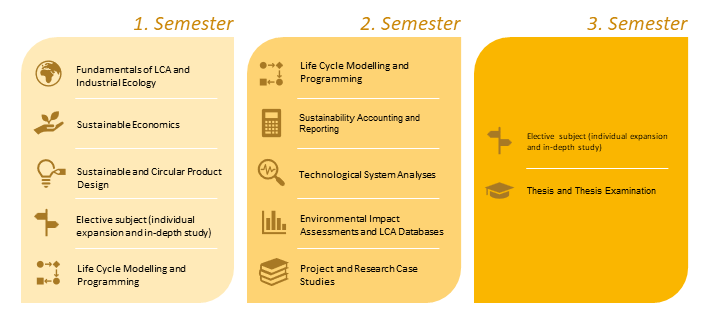
The master’s program focuses on the practical application of methodological skills in the field of life cycle assessment and production- and product-related material and energy flow analyses. You will learn to work with the necessary standards, methods, databases, software tools, and scientific concepts commonly used in practice, and to link these to issues in economics and engineering.
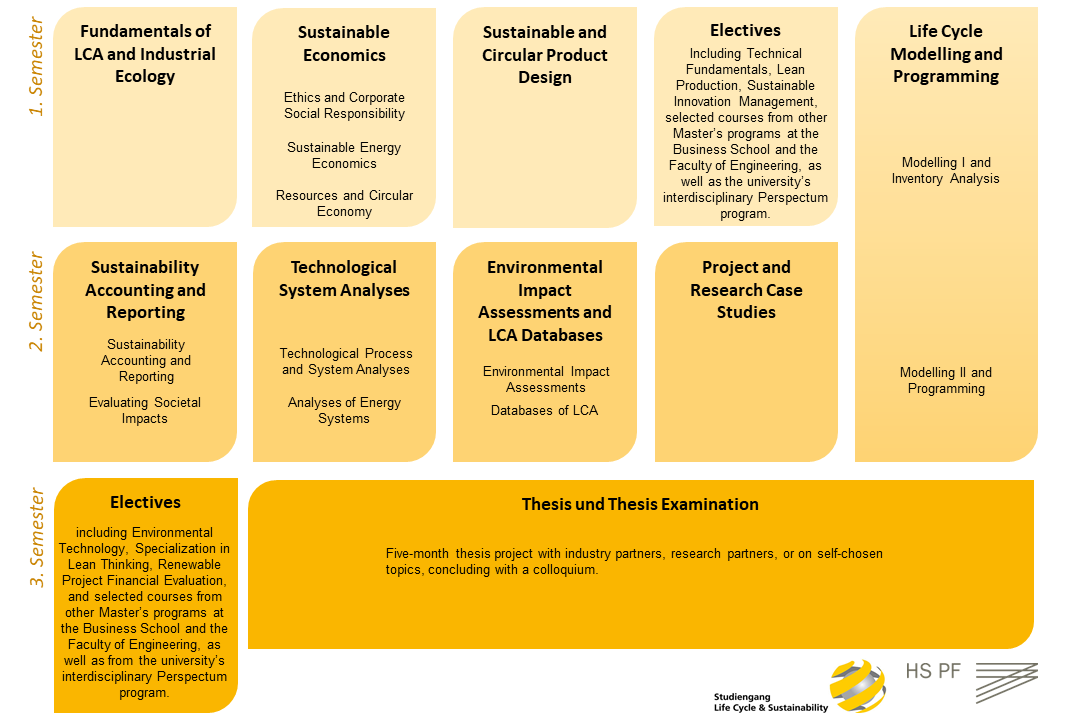
Our teaching is characterized by a strong practical focus and an examination of current research questions through project-based and research case studies. This teaching approach not only prepares you exceptionally well for current issues in academia and professional practice, but also promotes holistic and interdisciplinary learning. You will learn to apply the course content in a case-based manner and to critically evaluate it. You will acquire the necessary knowledge through active exchange and interdisciplinary collaboration with your fellow students and professors—with a focus on professional coaching.
You can find examples of practical projects here.
Every year, we organize a multi-day field trip. We visit industrial companies and discuss topics related to sustainability, life cycle assessment, energy, and lean management with them. In addition, various courses include one-day field trips.
This film summarizes the highlights of an excursion that included visits to a mine in Goslar, Salzgitter Stahl AG, Volkswagen AG, and a recycling company. The students had the opportunity to trace the entire life cycle of a product and interact with the companies’ employees.
As part of the master’s program, you have many opportunities to study abroad. The university has numerous partner institutions worldwide, and for the master’s program, there are guaranteed spots at universities with relevant academic programs in Portugal, Brazil, Taiwan, the U.S., Denmark, France, Poland, and many other countries.
"A successful semester abroad at the Business School in Ljubljana, from September 2023 to February 2024! Ljubljana, the charming capital of Slovenia, impressed me with its natural setting, which is ideal for outdoor activities like hiking and cycling. The picturesque Ljubljanica River and the cozy cafés along the riverside promenade helped me feel at home quickly.
The Business School Ljubljana exceeded all expectations with its knowledgeable faculty and practical courses. I particularly enjoyed the intercultural team projects and case studies. The vibrant student life, including international gatherings and cultural events, always offered new discoveries. Thanks to the ESN initiative, I made many new friends, which rounded out the adventure. Unforgettable experiences and numerous new connections defined this semester, which fostered both academic knowledge and my personal development."
Nick Kusch attended the Business School in Ljubljana, Slovenia, during the winter semester of 2023–2024.
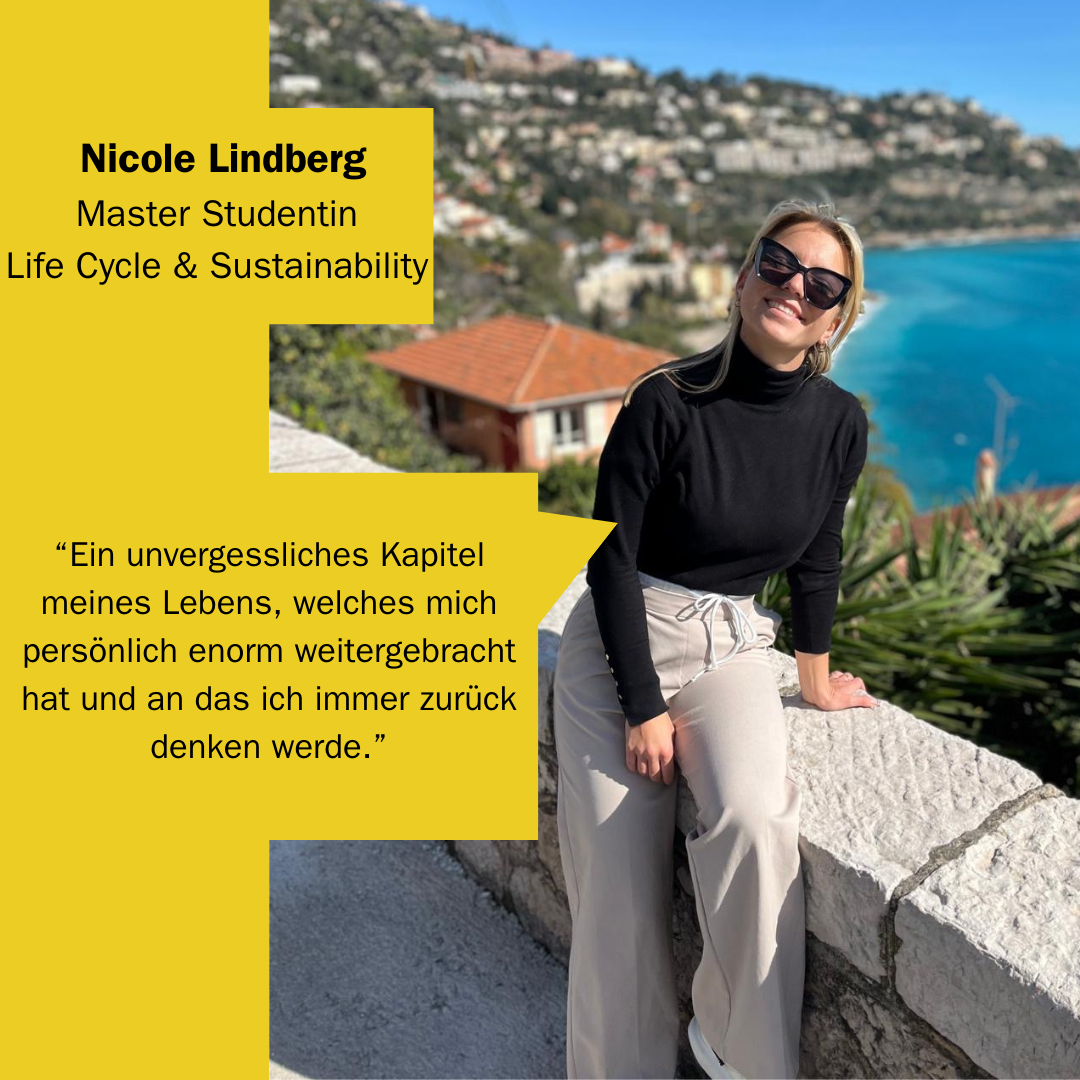
"From January to April 2024, I had the incredible opportunity to spend a semester abroad at SKEMA Business School in Antibes. As a student in the Luxury and Fashion Master’s program with a focus on sustainability, I was able to experience life on the picturesque Côte d’Azur. Antibes—a small town between Nice and Cannes—was quiet in the winter and blossomed by April thanks to warm summer temperatures. The breathtaking combination of the blue water and the majestic Alps fascinated me every single time. The Côte d’Azur is a true paradise that offers it all: beautiful cities and stunning nature.
Sustainability and luxury—an unusual but exciting combination. As the only German student in my program, I was among many non-European students. The change of perspective was a leap into the deep end. But that’s exactly what a semester abroad is for! I was able to discover connections between sustainability and luxury and contribute my expertise to case studies.
Trying something new—in addition to the luxury program, I also ventured into uncharted waters. I participated in SKEMA’s sports program, tried tennis and paddle tennis, and ran my first half-marathon in Nice. Of course, I also tried to learn French!"
Nicole Lindberg attended the Grande École SKEMA Business School in Antibes, France, in 2024.
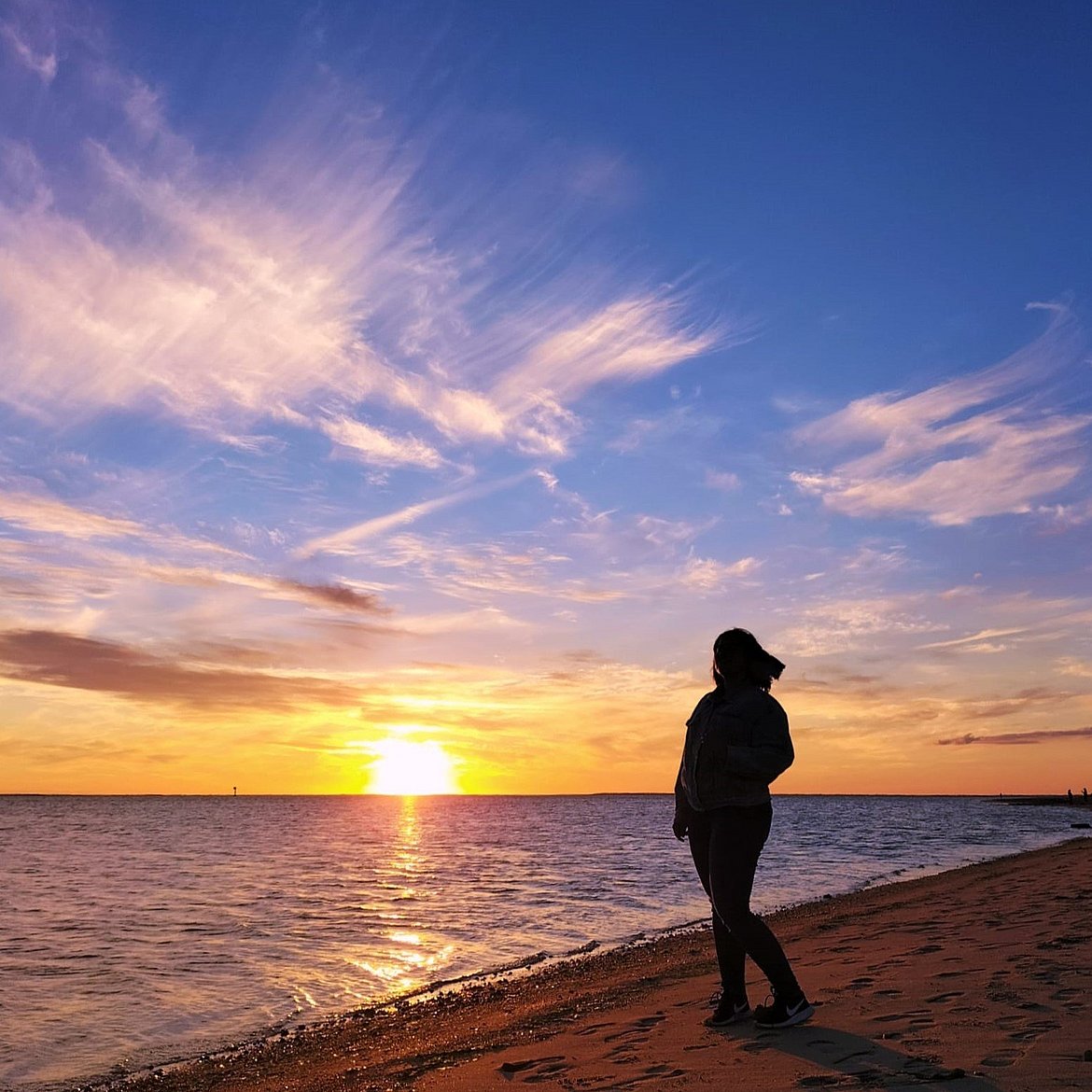
"I spent my semester abroad in Denmark at the University of Southern Denmark (SDU) on the Esbjerg campus, living just a 20-minute walk from the beach. The course content complemented my studies in Pforzheim very well academically. Esbjerg may be a small town, but thanks to its many universities, it has a very international atmosphere, with an active community and numerous free events. I was able to participate in interdisciplinary projects and sustainability competitions—often involving multiple universities and in collaboration with companies. It was also exciting to attend events at other SDU campuses. What’s especially nice: I’m still in touch with some of the people I met during that time. Since Denmark is a small country, it was easy to travel around despite my studies—and I was able to experience a lot of the culture and nature. By joining a local sports club, I also got to know the Danish way of life up close—hygge included. No wonder Denmark is one of the happiest countries in the world."
Bernardette Steinhart spent the winter semester 22/23 at the University of Southern Denmark (SDU) on the Esbjerg campus in Denmark.
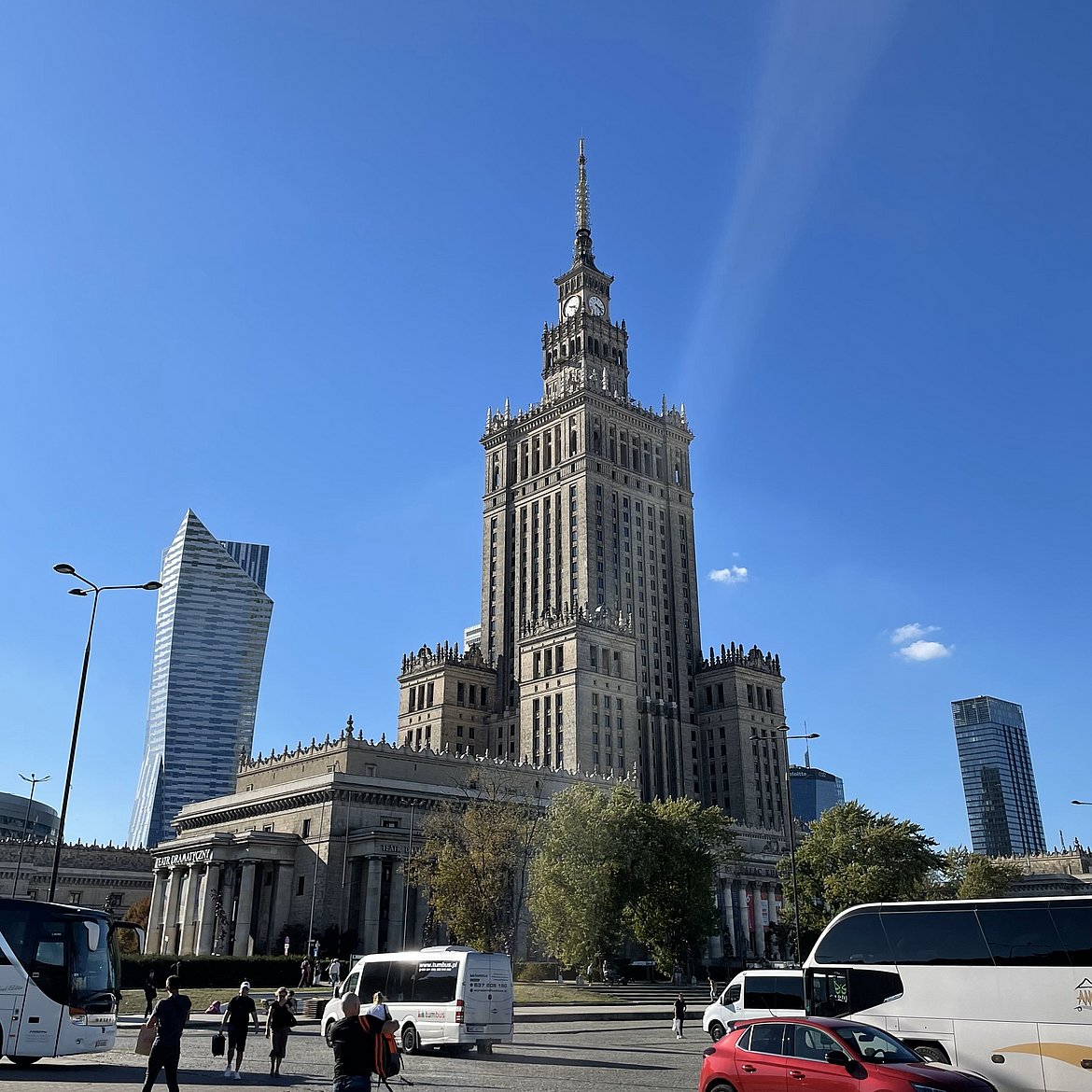
"At the start of my master’s program, friends from other majors recommended that I spend a semester abroad at Kozminski University in Warsaw. Thanks to the active team at the Kozminski International Society (KIS), my time in Poland got off to a lively start, giving me my first glimpse of the city and Warsaw’s nightlife. At KIS events, you make lots of connections with people from different countries. The KIS members and other international students have become close friends. They helped me get to know Polish culture and the city better. There are also trips to other Polish cities. For example, we went to Kraków and took a tour of the Auschwitz concentration camp. Warsaw has a population of nearly 2 million, and there are many different activities in the city. For partying, there is a vast array of bars and clubs. Overall, I highly recommend a semester abroad at Kozminski University in Poland. In general, a semester abroad is a great experience because you can make many interesting connections."
Markus Stahldecker spent the winter semester of 2023/2024 at Kozminski University in Warsaw, Poland.
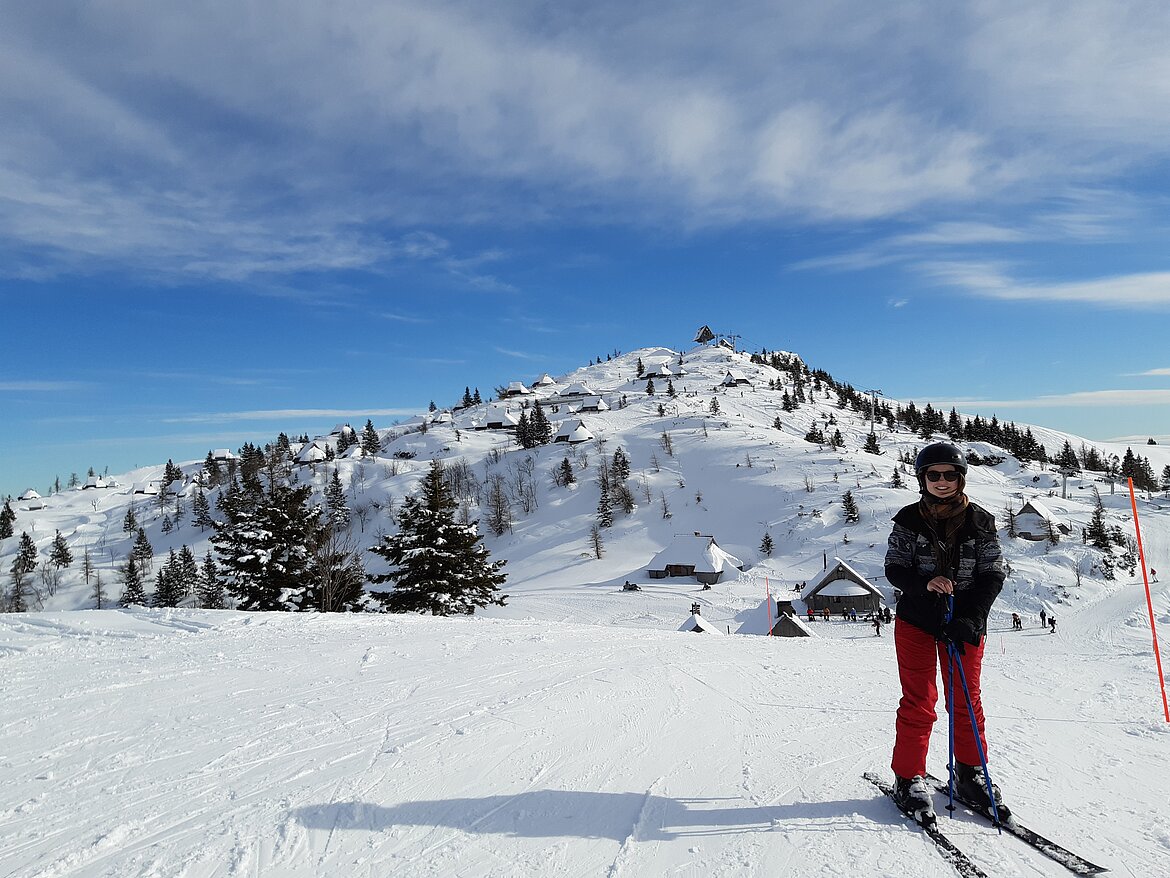
“During the COVID-19 pandemic, studying abroad didn’t seem like a good idea. But despite lockdowns, curfews, and restrictions on social contact and travel, it turned out to be one of the best experiences of my college years. I was able to make friends with people from all over Europe and enjoy Slovenia’s beautiful natural scenery. Slovenia is a true outdoor sports paradise: from hiking and climbing to skiing, you won’t miss a thing—even in winter! The teaching at the University of Ljubljana was excellent despite the online semester and was engaging thanks to an interactive lecture style. The wide range of courses offered in English by the Business Faculty gives MLiCS students the opportunity to think outside the box.”
Leonie Drüppel was in Ljubljana, Slovenia, during the 2020/2021 winter semester
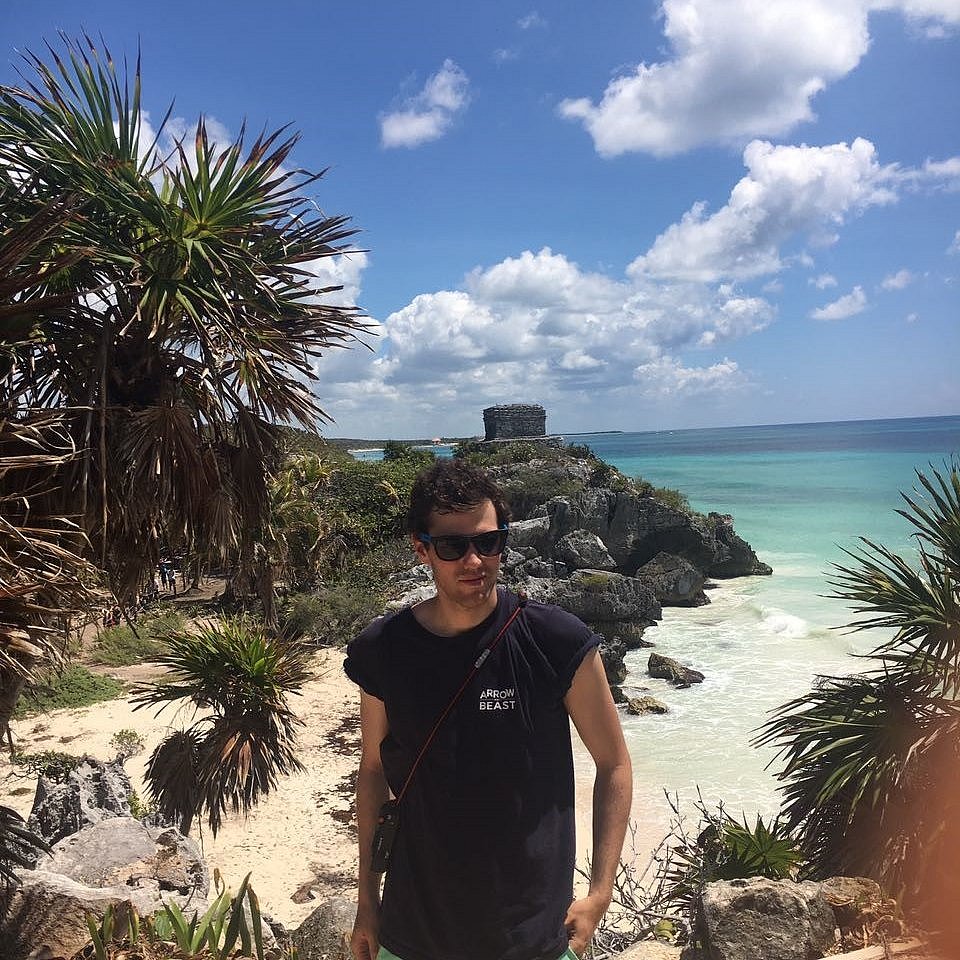
"Fortunately, during my semester abroad, I was able to improve my Spanish skills in a course for exchange students at the university. But beyond that, I also took a few classes that would prove helpful later on. For example, in a term paper, our team had to forecast the city’s future water consumption based on several variables.
I still had some time left over from my studies to travel. Once my BAföG funding for studying abroad was approved, some of the financial pressure was lifted, and I was able to arrange two short trips to the states of Baja California and Oaxaca."
Click here for the full report!
Benjamin Fritz spent a semester at EGADE in Monterrey, Mexico
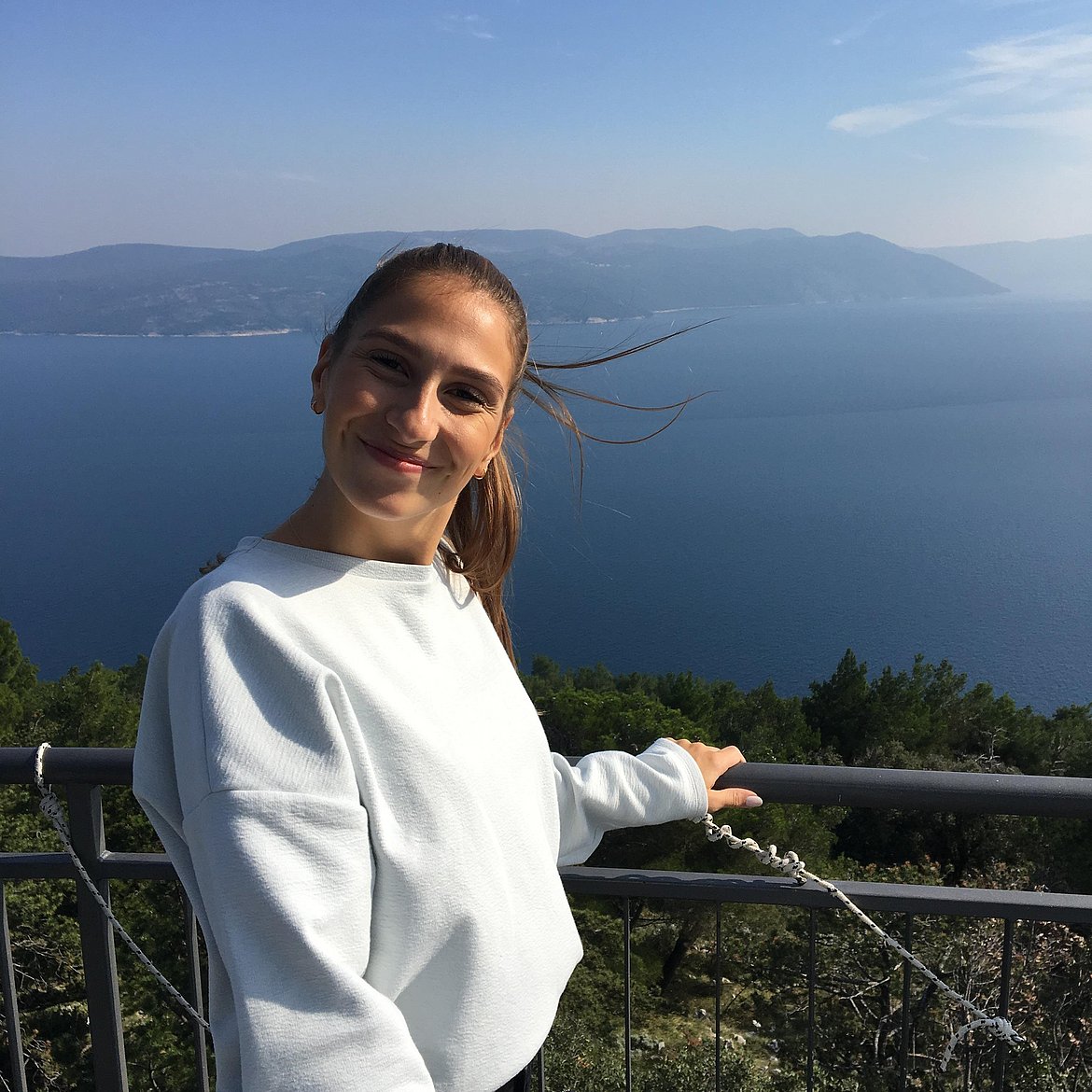
“My semester abroad in Zagreb was a wonderful experience. At ZSEM, I had another chance to delve into slightly different topics and broaden my horizons. Our class was an international group, and I had the opportunity to improve both my English and Croatian language skills. The master’s courses were held Monday through Friday from 5:00 p.m. to 9:00 p.m., so there was still plenty of time to explore the city alongside my studies. The highlights were definitely the lovely cafés and regular weekend trips to the coast! In addition to many wonderful memories, I came away from my semester abroad in Zagreb with, above all, valuable friendships.”
Pia Szichta spent a semester in Zagreb, Croatia
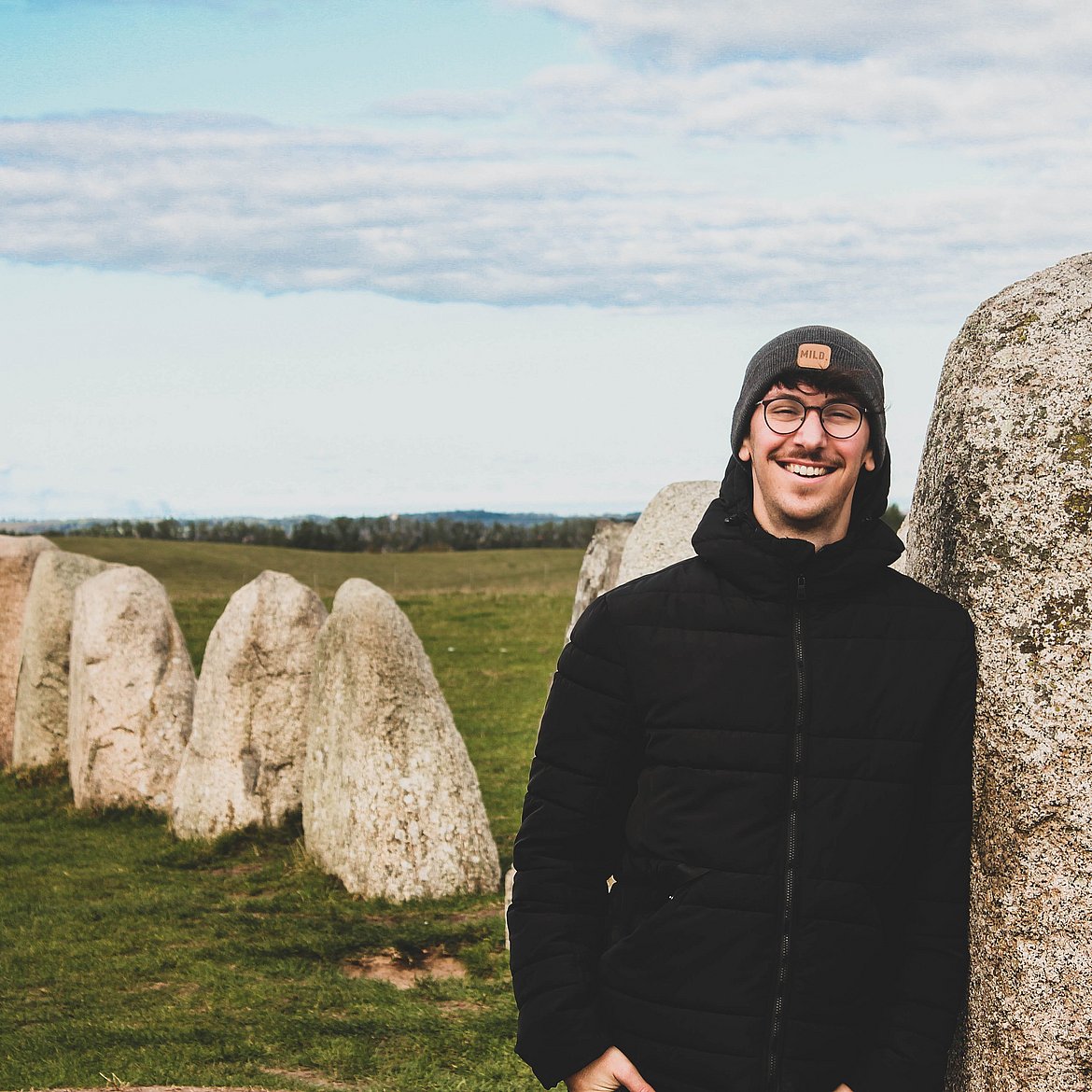
"I decided to spend a semester abroad to both broaden my horizons and improve my foreign language skills. I managed to do both during that time.
I was very satisfied with all my courses and found them to be a perfect complement to the "Life Cycle & Sustainability" program. There was some overlap in content between my courses in Denmark and my previous semesters in Pforzheim, but this was never boring or redundant thanks to different focuses, perspectives, and in-depth explorations. In all my courses, group projects were also organized, resulting in the formation of international teams. I am certain that working together and the associated exchange of different cultures (and disciplines) has helped me grow tremendously, both personally and professionally.
Life in Odense off-campus was also very exciting. Everywhere I went, I met relaxed, open-minded, and helpful people (some of whom spoke very good English even at an advanced age). While I still can’t fully define what “hygge” is, I at least now have a rough idea of what the term—often used to describe the Danish way of life—means."
Noel Ullrich studied at the University of Southern Denmark (SDU) in Odense, Denmark, during the winter semester of 2020–2021.
A Forward-Looking Master's Program – Study Sustainability and the Environment
In the Master’s program in Life Cycle & Sustainability, you will engage intensively with forward-looking topics and issues in environmental science and sustainability, particularly sustainable production.
The program focuses on expanding and applying methodological skills in the areas of life cycle assessment and sustainability. Through high-quality, coordinated lectures, you will receive a solid education.
You will learn about and apply a variety of methods and tools to make impacts and improvement potential in value creation systems transparent. Life Cycle Assessment (LCA), the Circular Economy, Industrial Ecology, and Sustainability Accounting are some of the topics for which you will learn software and database solutions in small groups, develop research papers and project case studies, and present your results to industry partners.
In elective and advanced courses, you will have the opportunity to deepen your interests in areas such as lean management, energy, or innovation and technology management.
You will thus be ideally prepared for diverse, future-oriented, and interdisciplinary work at the intersection of engineering, business administration, and sustainability—not only in the business world, but also in academia and politics.
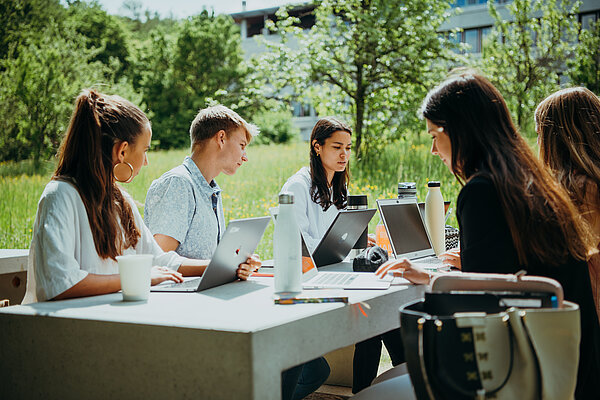
In addition to a solid theoretical foundation, our faculty members provide you with insights into the realities of the workplace. Through project work, you will establish contacts with companies even while you are still a student. You will gain practical experience by analyzing and evaluating product and production systems in concrete application examples as part of project phases and case studies.
The program not only imparts the theoretical foundations but, thanks to its strong practical focus, provides a direct link to your future professional activities. Through various practice-oriented seminars, project work, and field trips, you will learn to apply the theoretical content directly.
The Symposium on Resource Efficiency and Sustainability, among other events, offers a glimpse into the field, featuring presentations by renowned experts who regularly provide interesting insights into current issues and challenges in business, science, and politics related to sustainability, resource efficiency, the circular economy, and climate and environmental protection.
Every year, a multi-day field trip to industrial companies takes place, offering the opportunity to discuss sustainability, life cycle assessment, energy, and lean topics on-site.
In this program, you will be taught by a dedicated team of qualified professors and experienced instructors with real-world experience. In addition to the necessary theoretical training, our faculty members provide you with many insights into the realities of the workplace. You will learn and work in small interdisciplinary teams, collaboratively addressing technical, environmental, and social issues. This allows you to learn in close contact with and from your fellow students, all while engaging in close personal interaction with the professors.
Our program is distinguished by the exceptional dedication of our students. For example, remedy e.V. was founded as a student-led initiative that, in addition to the program’s offerings, provides you with practical insights and organizes many extra activities for you. Co-creators and change makers are always welcome there!
Remedy e.V. is a student-led initiative that has been offering practical insights into topics related to resource and energy efficiency since 2013. They focus on issues surrounding the environment and sustainability, and their primary goal is to actively help make the world a little bit greener.
Want to learn more about Remedy or interested in getting involved?
Contact us at remedy.ev(at)gmail(dot)com or follow Remedy on Instagram at remedy.ev
Pforzheim Business School holds the internationally renowned AACSB accreditation, placing it among the top 5% of business schools worldwide. The accreditation certifies the outstanding quality of Pforzheim’s degree programs and reinforces the unique integration of theory and practice. This distinction opens up a wide range of career opportunities after graduation—a degree with AACSB accreditation paves the way for a professional career or a doctoral program.
Who are we looking for?
We are looking for applicants (with a bachelor’s degree or equivalent) who wish to further their qualifications in the fields of the environment and sustainability. You are passionate about environmental and sustainability issues and want to play an active role in preserving a livable environment for yourself and future generations. You are highly motivated, committed, and want to actively contribute to the Life Cycle & Sustainability program.
You are interested in taking a holistic approach to environmental and economic issues, can think analytically, and critically examine facts. Would you also like to keep the option of pursuing a Ph.D. open? Then you have chosen the right program with the MLiCS.
 Photo: Shutterstock
Where you can work:
- Leadership roles in strategic environmental/sustainability management at large and medium-sized companies, non-profit organizations, the public sector, and sustainability consulting firms
- Specialist in the sustainability assessment of products, technologies, and companies
- Sustainability scientist in academic and professional settings where analytical skills and methodological expertise in sustainability assessment are required, or as a doctoral candidate.
Sustainable Business – The Challenge of the Future
Sustainability is increasingly becoming a priority for research and development, production planning, communication, marketing, and other functional areas within companies, requiring interdisciplinary expertise and practical skills at the intersections of business administration, engineering, and the natural, environmental, and social sciences.
The goal of the M.Sc. Life Cycle & Sustainability master’s program is to train interdisciplinary and versatile leaders. With your knowledge, you will be able to initiate, manage, and evaluate transition processes toward sustainability. Graduates will take on innovative and responsible roles in consulting and industrial firms, as well as in research and politics.
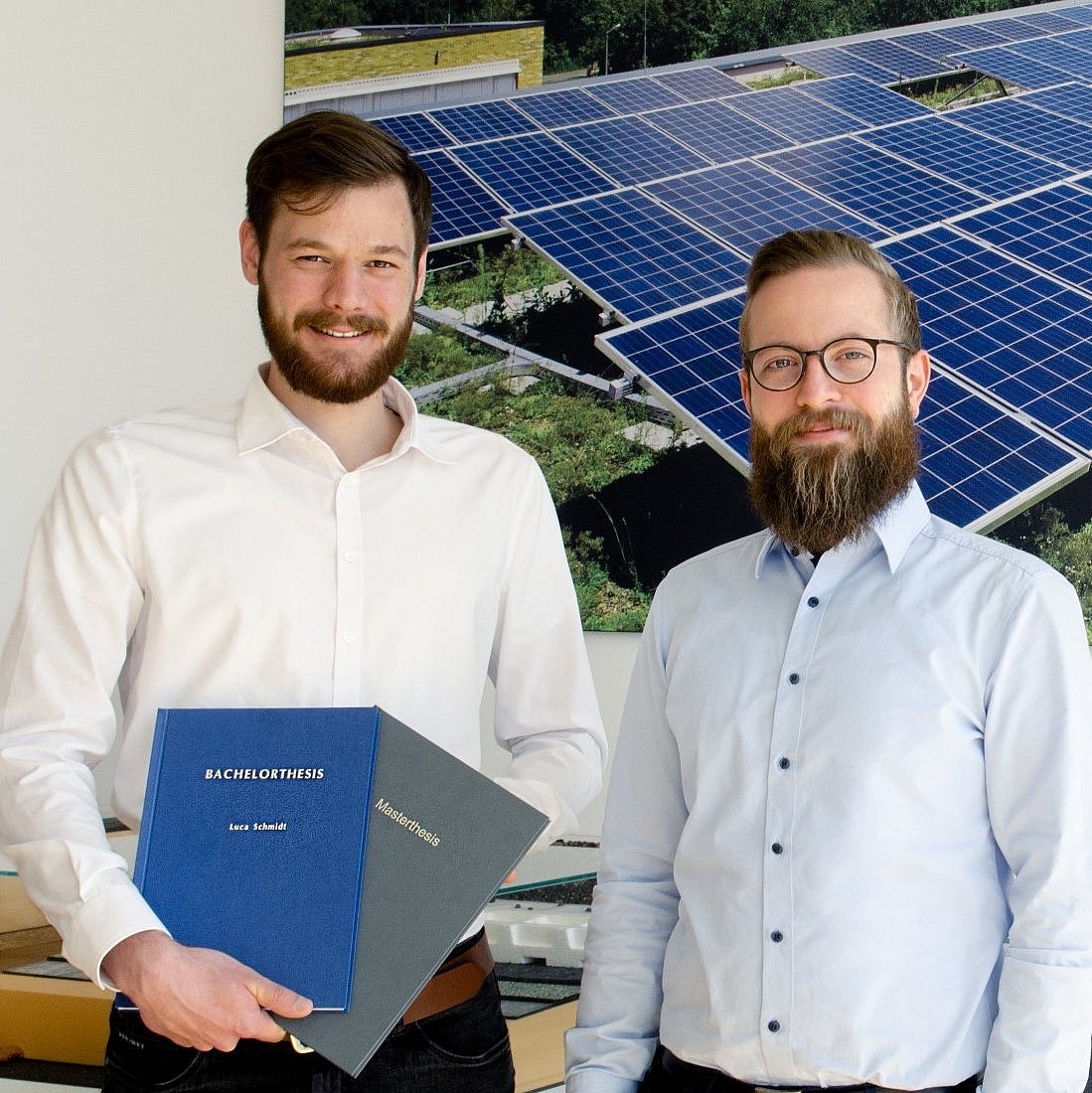
Luca Schmidt
"The knowledge I’ve gained enables me to work in both technical and business management areas—or, as in my case, in a cross-functional role within the company. I now regularly apply methods I learned just a few months earlier during my studies. I would gladly take the MLICS program again anytime."
Luca Schmidt, Sustainability Management Specialist, Paul Bauder GmbH & Co.KG
"With the increasing number and complexity of sustainability issues we face as a family-owned business, we need specially trained employees with specific skills and the necessary expertise. We are thrilled that Luca has been strengthening our sustainability department as a Sustainability Management Specialist since March 2024 and that he is directly applying the knowledge he gained during his studies."
Lars Neuwirth, Head of Sustainability, Paul Bauder GmbH & Co. KG
Claudia Kurz
"What I particularly appreciated about my studies was the close connection to the Institute for Industrial Ecology, with its combined expertise in LCA, product development, and sustainability accounting, as well as the extensive network of contacts in industry and other research institutions, which made it possible to carry out practical project work, lecture series, and networking events. For me, my time at Pforzheim University, with all its facets, was very valuable—both for my professional and personal development."
Claudia Kurz, Corporate Responsibility Specialist at OLYMP Bezner KG
Patrick Lenard
"The curriculum is cutting-edge. Sustainability continues to gain importance. The Master’s in Life Cycle & Sustainability has prepared me perfectly to navigate this dynamic field. In particular, the practical and diverse projects—which demanded a lot from my fellow students and me—were, in retrospect, valuable and instructive experiences that helped us grow.”
Patrick Lenard, Consultant for Sustainability Services, iPoint Systems

Matthias Stratmann
"From the very beginning, I felt that I was learning and doing something meaningful. That feeling has stayed with me to this day. For me, working in the field of sustainability means, on the one hand, engaging in scientifically rigorous work, while at the same time always keeping the business and social context in mind."
Dr. Matthias Stratmann, Head of the Sustainability Department at the nova-Institut for Political and Ecological Innovation
Julia Graber
"One of the major advantages of the program was the close guidance I received from the professors. The program also offers a good balance of theory and practical assignments. I am convinced that this interdisciplinary program has been very helpful for my current work in sustainability consulting."
Julia Graber, Sustainability Strategy and Communications Consultant at BSD Consulting
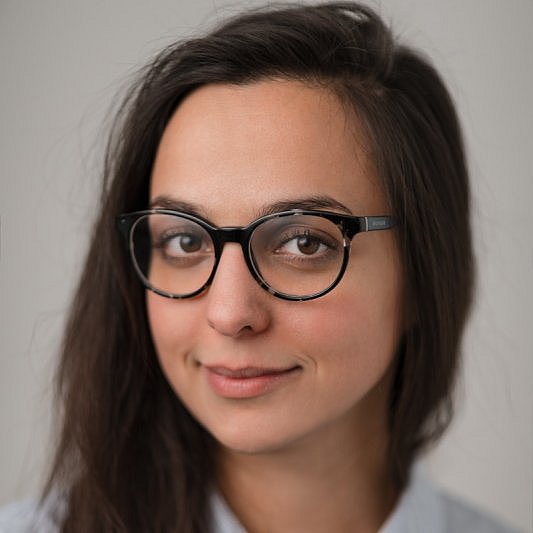
Joy Leonie Defant
"During my studies, the various modules helped me discover and grow to love the many facets of sustainability. In my current role as a CR manager in the textile industry, I’m able to combine several of these modules in my daily work. The interdisciplinary nature of the field is what makes this profession so exciting. There’s hardly a department I don’t collaborate with on a regular basis."
Joy Leonie Defant, CR Manager at Mey GmbH & Co. KG
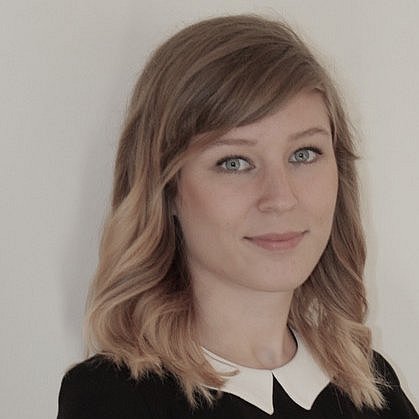
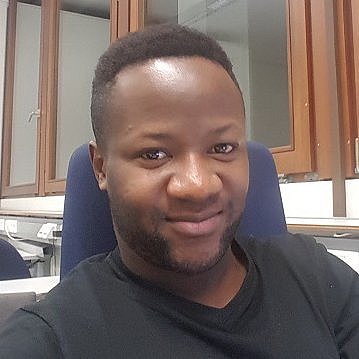
Maximilian Saiger
"What particularly appealed to me about the MLiCS program was the way it integrates economics, ecology, and technology with a focus on sustainability and connections to other fields, such as energy systems, the circular economy, sustainable production, and lean management. In addition, the program is highly applied and practice-oriented, thanks to the hands-on application of methods and topics in project work conducted in collaboration with companies."
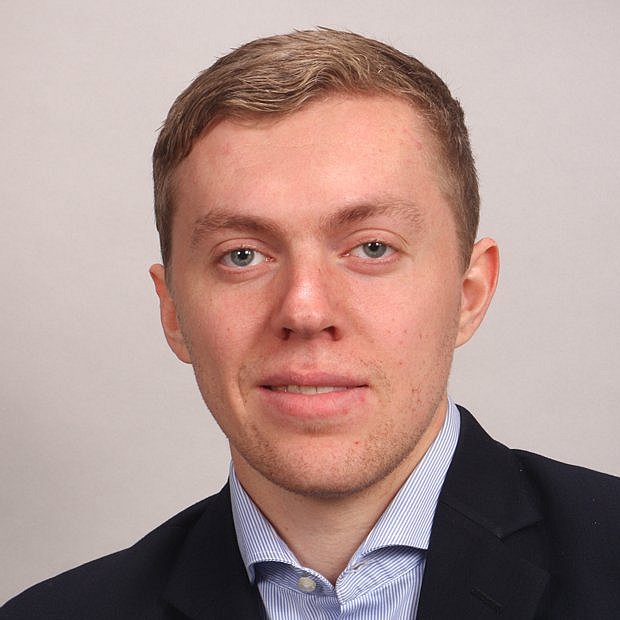
Andreas Scharf
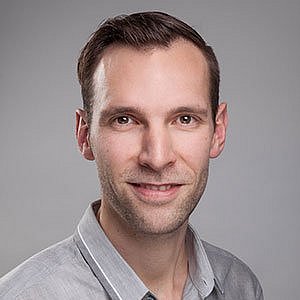
"In addition to hands-on activities, such as taking apart a Nespresso machine, we also learned how to use various LCA modeling software programs and LCA databases. The small class size and the close guidance provided by highly motivated professors are definitely a major advantage of the master’s program at Pforzheim University."
Contact
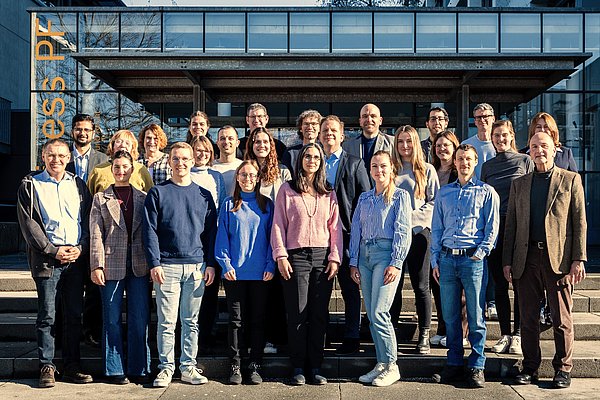
If you have any questions about your studies, our team will be happy to assist you:
Program Administration: Heike Herbst
Phone: +49 7231 28 6408